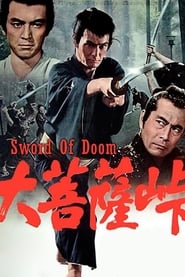
“The Sword of Doom” is a 1966 Japanese samurai film directed by Kihachi Okamoto. It follows the story of Ryunosuke Tsukue, a master swordsman with a heart as cold as ice. In this dark and violent world, Ryunosuke is like a sharp blade slicing through flesh with no remorse. He encounters various adversaries, leaving nothing but destruction in his wake, resembling a tornado engulfing everything in its path. As the movie progresses, his thirst for blood only grows stronger, making him an unstoppable force fueled by darkness. With stunning cinematography and intense fight scenes, “The Sword of Doom” offers a thrilling glimpse into the twisted mind of a merciless warrior.
CLICK HERE⭳⭳⭳🎦_Watch The Sword of Doom 1966 English Subtitles_
Review
The Sword of Doom: A Cinematic Masterpiece That Leaves No Stone Unturned
Introduction:
In the realm of Japanese cinema, where legendary samurais and epic battles reign supreme, there exists a hidden gem that captivates audiences with its dark allure and unparalleled intensity. “The Sword of Doom” is a mesmerizing film that transcends the boundaries of conventional storytelling, leaving even the most discerning movie enthusiasts awestruck. With its gripping plot, impeccable cinematography, and superb cast, this hidden masterpiece has carved its name in the annals of cinematic history.
Storyline that Strikes at the Core:
Set in 19th century Tokyo during Japan’s tumultuous samurai era, “The Sword of Doom” takes us on a journey through the twisted mind of Ryunosuke Tsukue (brilliantly played by Tatsuya Nakadai), a cold-blooded swordsman grappling with his own inner demons. Director Kihachi Okamoto masterfully weaves together elements of revenge, honor, and moral ambiguity to create a tale that delves deep into the human psyche.
Plot Unraveled with Meticulous Precision:
As tensions rise between rival clans and political factions, Ryunosuke finds himself entangled in a web of violence and treachery. His insatiable bloodlust leads him down a path strewn with broken bodies and shattered dreams. The film’s unapologetic portrayal of Ryunosuke as an anti-hero engulfs viewers in a whirlwind of conflicting emotions: sympathy for his tormented soul and revulsion for his merciless actions.
Fact or Fiction? An Intriguing Historical Backdrop:
While “The Sword of Doom” is primarily a work of fiction, it draws inspiration from Japan’s rich medieval history. The intricate details embedded within the narrative shed light on cultural norms, societal structures, and martial arts practices prevalent during this period. The remarkable blend of fictional characters with factual elements heightens the film’s sense of realism, further enhancing its impact.
Captivating Performances that Leave an Indelible Mark:
Tatsuya Nakadai’s portrayal of Ryunosuke is nothing short of mesmerizing. His ability to convey a sense of brooding menace while simultaneously evoking pity is a testament to his exceptional acting prowess. Supporting performances by Michiyo Aratama, Toshiro Mifune, and Yuzo Kayama infuse the film with depth and authenticity, ensuring every scene is imbued with emotional resonance.
Historical Accuracy Meets Cinematic Brilliance:
The film’s attention to historical accuracy is evident in every frame. The meticulously crafted costumes, set designs, and weaponry transport viewers to a bygone era. The attention to detail pays homage to the rich cultural heritage of Japan while providing an immersive experience for the audience.
Score, Popularity, and Critical Acclaim:
“The Sword of Doom” boasts a hauntingly beautiful score composed by Masaru Sato that perfectly complements the on-screen action. Its popularity among cinephiles continues to grow as more audiences discover its hidden depths. Despite its initial polarizing reception upon release in 1966, it has since garnered critical acclaim worldwide for its daring storytelling and powerful performances.
Behind the Scenes: Filming Secrets Unveiled:
Delving into the making of “The Sword of Doom” reveals fascinating anecdotes about production challenges and artistic choices. Director Kihachi Okamoto’s vision brought together a talented crew who deftly captured every nuanced angle and expertly choreographed fight sequences. Their commitment to perfection shines through in each frame.
Recognition Well Deserved: Awards and Accolades:
This masterpiece was not left unnoticed by esteemed award ceremonies. “The Sword of Doom” received accolades for its outstanding cinematography at Japan’s prestigious Blue Ribbon Awards. Its nomination at the Cannes Film Festival further solidified its place among the greatest films of all time.
Cinematography: Painting a Picture with Light:
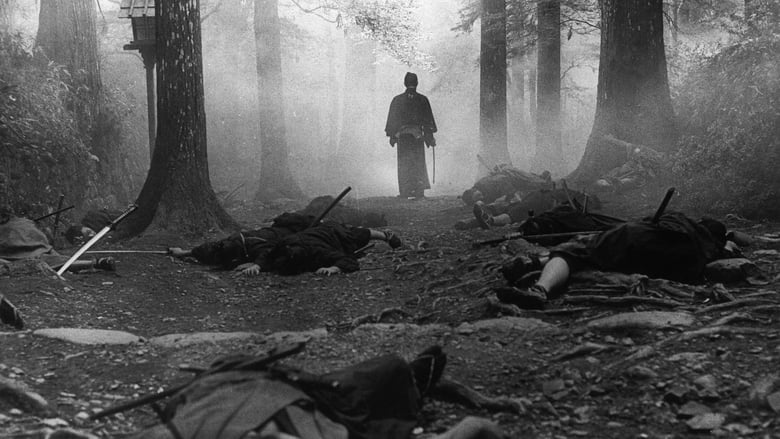
The film’s atmospheric cinematography, skillfully executed by Hiroshi Murai, masterfully captures the brutal beauty of feudal Japan. The stark contrasts between light and shadow evoke a sense of impending doom, perfectly mirroring Ryunosuke’s inner turmoil.
Opinion and Controversy: Splitting the Critics:
“The Sword of Doom” has not been immune to criticism. Some argue that its ambiguous ending leaves viewers hanging, while others praise its ability to provoke thought and stimulate discussion. Such polarizing opinions only serve to further cement its status as an enigmatic work of art.
Unforgettable Moments: Scenes that Haunt:
Among the numerous memorable scenes in “The Sword of Doom,” one that stands out is Ryunosuke’s climactic duel in a bamboo forest. The expertly choreographed battle showcases Nakadai’s unmatched skill with a sword and serves as an intense culmination of the film’s themes.
Gossip Galore: Juicy Behind-the-Scenes Stories:
Rumors abound about the intense rivalry between Tatsuya Nakadai and Toshiro Mifune during filming. While both actors delivered exceptional performances, their on-set dynamic reportedly reflected the intense conflict between their characters on screen.
Melodic Allure: Soundtrack That Strikes a Chord:
Masaru Sato’s haunting score transports viewers to another realm entirely. Its ethereal melodies evoke a sense of impending tragedy, resonating deeply with audiences long after the credits roll.
Analyzing Special Effects: Subtle Yet Impactful:
“The Sword of Doom” relies more on realistic combat sequences than flashy visual effects. The subtle use of blood splatter and expert swordplay techniques contributes to the film’s authenticity, immersing viewers in its gritty reality.
Development and Dialogue: Crafting Authenticity:
The film underwent a meticulous scripting process to ensure authenticity in its dialogue and character development. Each line is deliberately crafted, conveying layers of meaning that enrich the narrative and engage the audience on multiple levels.
Crew-Casting: The Unsung Heroes:
Behind every successful film lies an army of talented crew members. “The Sword of Doom” owes its brilliance to the dedication and expertise of the production team, including set designers, costume artists, makeup artists, and more.
Criticism: The Double-Edged Sword:
No film is immune to criticism, and “The Sword of Doom” is no exception. Some argue that its unrelenting violence detracts from its underlying themes, while others believe its moral ambiguity leaves viewers disoriented. Such critiques invite further exploration into the depths of this thought-provoking masterpiece.
Production: A Balancing Act:
Creating a film as complex as “The Sword of Doom” required incredibly meticulous planning. Director Okamoto had to strike a delicate balance between capturing the raw emotions of his characters and maintaining historical accuracy, resulting in a visually stunning masterpiece.
Impeccable Editing: Weaving Together Emotional Threads:
“The Sword of Doom” owes much of its impact to the seamless editing by Hisashi Sagara. By weaving together emotional threads with expert precision, Sagara elevates the film’s intensity to new heights, ensuring every frame resonates deeply with the viewer.
Conclusion:
“The Sword of Doom,” with its enthralling storyline, impeccable performances, and breathtaking cinematography, solidifies itself as a cinematic masterpiece that stands the test of time. Its exploration of morality, honor, and human frailty leaves an indelible mark on all who dare venture into its shadowy depths. Prepare to be captivated by this dark yet alluring journey through one samurai’s tormented soul – an experience you won’t soon forget.
Technical Data
- Release : 1966-02-25
- Runtime : 122
- Genre : Action, Drama
- Cast : Tatsuya Nakadai as Ryunosuke Tsukue, Yûzô Kayama as Hyoma Utsuki, Michiyo Aratama as Ohama, Yōko Naitō as Omatsu, Toshirō Mifune as Toranosuke Shimada
- Crew : Shinobu Hashimoto as Screenplay, Sanezumi Fujimoto as Producer, Masaru Satō as Original Music Composer, Kihachi Okamoto as Director, Masayuki Satō as Producer
- Revenue : 0
- Budget : 0
- Company : Takarazuka Eiga Company Ltd., TOHO
- Popularity : 8.424
- Summary : Ryunosuke, a gifted swordsman plying his trade during the turbulent final days of Shogunate rule, has no moral code and kills without remorse. It’s a way of life that leads to madness.
- Tagline :
