“The Other Side of the Door” is a 2016 horror film directed by Johannes Roberts. The story revolves around Maria, a grieving mother who opens a forbidden door to the spirit world, unleashing terror and chaos upon her family. In her desperation to communicate with her deceased son, Maria inadvertently allows malevolent forces to infiltrate their lives like creeping shadows. As darkness descends, she must confront the horrifying consequences of her actions before it’s too late. With its taut narrative and spine-chilling atmosphere, this film keeps viewers on edge with every nerve-racking twist and turn.

CLICK HERE⭣⭣⭣👉🏼_Watch The Other Side of the Door 2016 English Subtitles_
Review
Unveiling the Door to Supernatural Intrigue: A Riveting Journey into “The Other Side of the Door”
Introduction:
In a world rife with predictable horror tropes, “The Other Side of the Door” dares to defy convention and immerse audiences in a hauntingly unique experience. Directed by Johannes Roberts, this supernatural thriller takes viewers on a captivating journey that will leave them questioning the limits of grief and the consequences of meddling with forces that lay beyond our reach.
Plot and Characters:
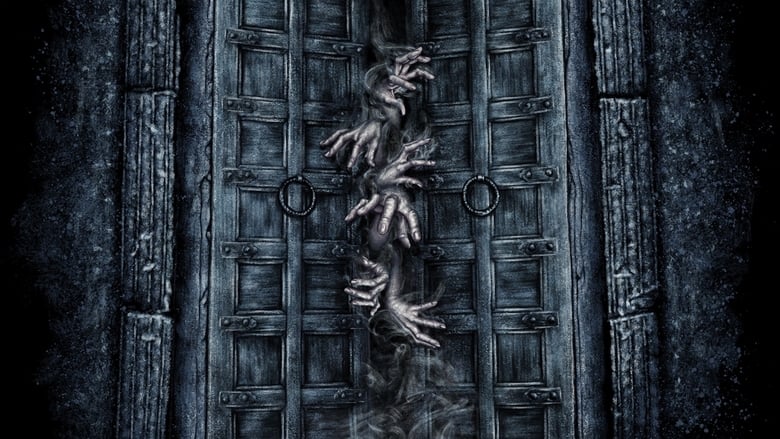
At the heart of “The Other Side of the Door” is Maria (played by Sarah Wayne Callies), a grieving mother who seeks solace in India following a tragic accident that claimed her son’s life. Desperate for closure, she learns about an ancient ritual involving an age-old temple door through which she can communicate with the departed. Temptation gets the better of her, and what follows is a chilling battle between life and death, love and loss, as dark forces are unleashed upon Maria’s family.
Filming and Cinematography:
Capturing the lush landscapes of India, cinematographer Maxime Alexandre deftly juxtaposes stunning visuals with an eerie atmosphere, creating a sense of foreboding throughout the film. Roberts utilizes intimate close-ups to draw us into Maria’s emotional journey while stunning wide shots emphasize both beauty and isolation. The film’s crisp visuals serve as a powerful backdrop for its supernatural elements.
Score and Popularity:
Joseph Bishara’s haunting score elevates every spine-chilling moment, emphasizing tension as viewers are enveloped in an audiovisual experience that amplifies fear. Despite mixed critical reception initially, “The Other Side of the Door” resonated with audiences worldwide who were captivated by its fresh take on supernatural themes. Word-of-mouth buzz contributed greatly to its enduring popularity long after its release.
Acting and Dialogue:
Sarah Wayne Callies delivers a mesmerizing performance as Maria. Her portrayal of a grief-stricken mother teeters between vulnerability and determination, leaving viewers empathizing with her plight. The chemistry between Callies and the rest of the cast reinforces the authenticity of their relationships, further immersing us in their trials. Though the dialogue occasionally dips into cliché territory, it never detracts from the film’s overall impact.
Special Effects and Sound Design:
The supernatural elements in “The Other Side of the Door” are brought to life with exceptional special effects that transcend mere jump scares. Subtle yet impactful, they leave an indelible mark on our senses. The sound design complements these effects flawlessly, with whispers that send shivers down our spines and creaks that make us question every shadowy corner.
Development and Production:
“The Other Side of the Door” emerged from an intriguing collaboration between 20th Century Fox and Broken Road Productions. Inspired by folklore and ancient rituals, its script was penned by Johannes Roberts himself alongside Ernest Riera. The film was made on a modest budget but showcased a level of meticulous attention to detail rarely seen in lower-budget horror films.
Analysis and Criticism:
Critics have lauded “The Other Side of the Door” for its inventive approach to supernatural horror storytelling. It delves deep into themes such as grief, guilt, and personal responsibility without resorting to cheap scares or reliance on conventional clichés typical of the genre. While some may find certain plot elements familiar or predictable, Roberts’ direction takes precedence over minor shortcomings, delivering an emotionally charged experience.
Dialogue and Crews:
The collaborative nature of filmmaking comes alive in “The Other Side of the Door,” evident through nuanced dialogue crafted by Johannes Roberts and Ernest Riera. Each word is carefully chosen to heighten tension while showcasing character development. Meanwhile, behind-the-scenes crews excel in their respective roles – from set design to costume department – contributing to a fully realized world that blurs the line between reality and the supernatural.
Scenes and Special Effects:
The film is replete with memorable scenes that will remain etched in viewers’ minds long after the credits roll. From a bone-chilling encounter in a bathtub to a nerve-racking climax at the temple door, each sequence is expertly crafted to keep audiences on edge. The special effects seamlessly blend into these scenes, creating an unsettling atmosphere that pulses through every frame.
Gossip and Production:
Behind the scenes of “The Other Side of the Door,” rumors swirled about eerie happenings during filming. Cast and crew members reported eerie footsteps in empty hallways and whispered voices seemingly from thin air. While skeptics might dismiss such accounts, some speculate that these manifestations gave rise to an extra layer of authenticity within the film.
Awards and Recognition:
“The Other Side of the Door” may not have garnered many awards or nominations, but its impact on horror cinema remains undeniable. It was recognized for its intriguing narrative, innovative approach to psychological terror, and unforgettable performances by Callies and supporting cast members Jeremy Sisto, Sofia Rosinsky, Logan Creran, Suchitra Pillai-Malik, Jax Malcolm, and Javier Botet.
Conclusion:
In “The Other Side of the Door,” Johannes Roberts skillfully navigates uncharted territories within supernatural horror cinema. With its compelling storyline, stellar performances, meticulous production design, captivating cinematography, haunting score, and genuinely terrifying moments – this film stands as a testament to innovation within an often stagnant genre. Escape into this world where grief melds with fear; just be prepared for what awaits when you open “The Other Side of the Door.”
Technical Data
- Release : 2016-02-25
- Runtime : 96
- Genre : Thriller, Horror
- Cast : Sarah Wayne Callies as Maria, Jeremy Sisto as Michael, Sofia Rosinsky as Lucy, Logan Creran as Oliver, Jax Malcolm as Oliver (voice)
- Crew : Maxime Alexandre as Director of Photography, Baxter as Editor, Michael Hothorn as Casting, Joseph Bishara as Music, Johannes Roberts as Director
- Revenue : $14,332,467
- Budget : 0
- Company : Pindrop, Kriti Productions, Fugitive Studios
- Popularity : 11.139
- Summary : Grieving over the loss of her son, a mother struggles with her feelings for her daughter and her husband. She seeks out a ritual that allows her say goodbye to her dead child, opening the veil between the world of the dead and the living. Her daughter becomes the focus of terror. She must now protect against the evil that was once her beloved son.
- Tagline : It was never meant to be opened.
